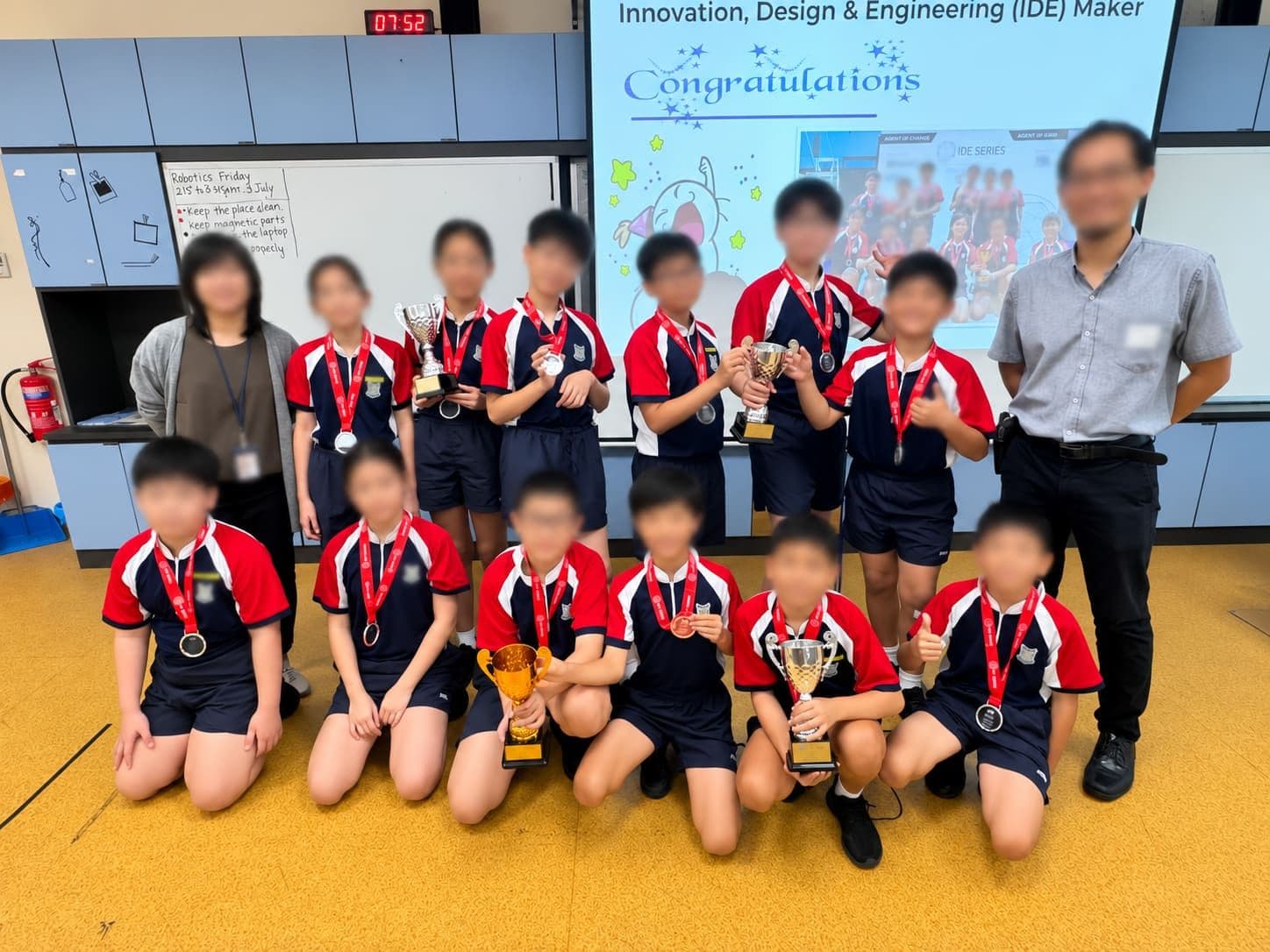
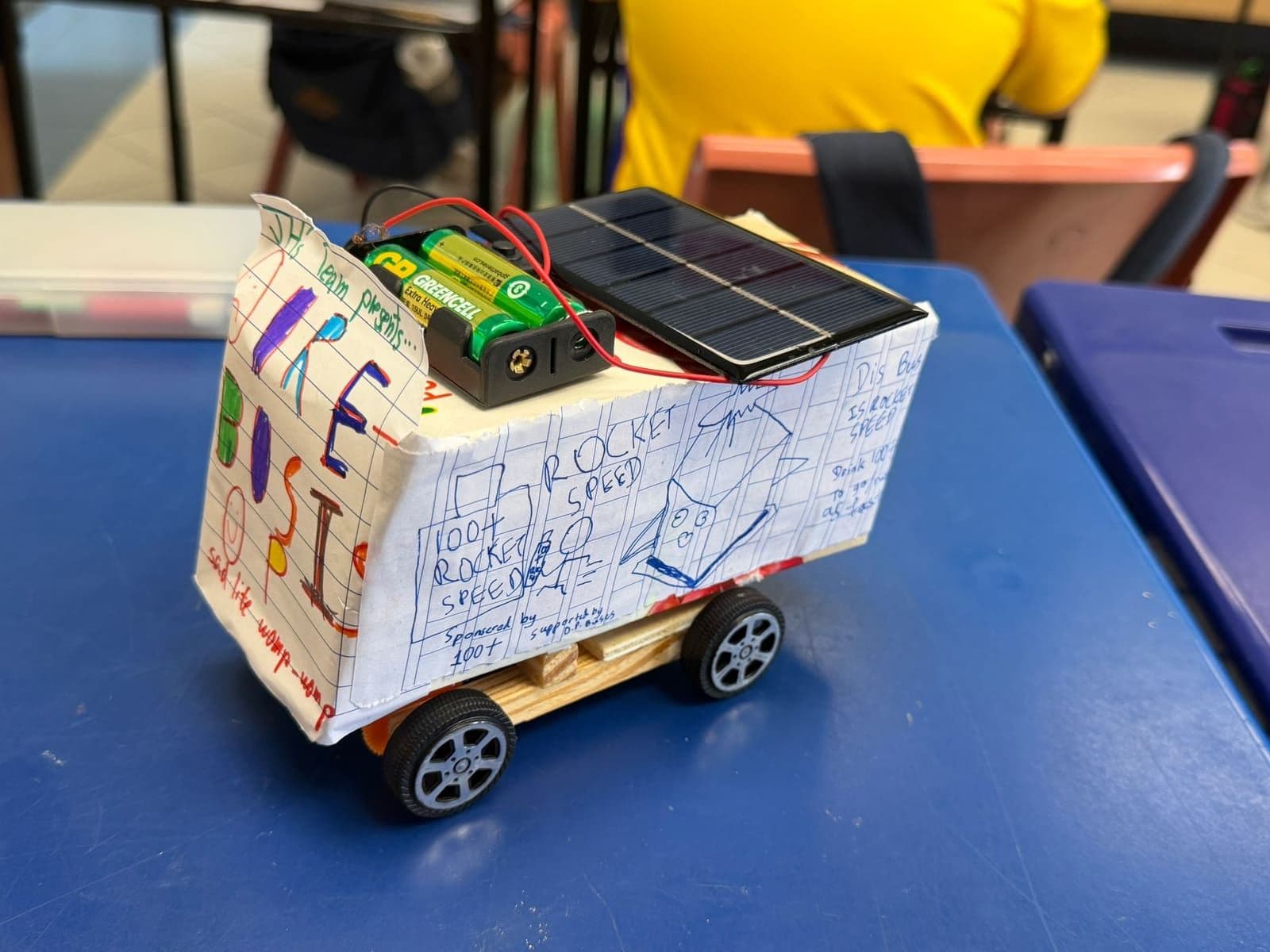
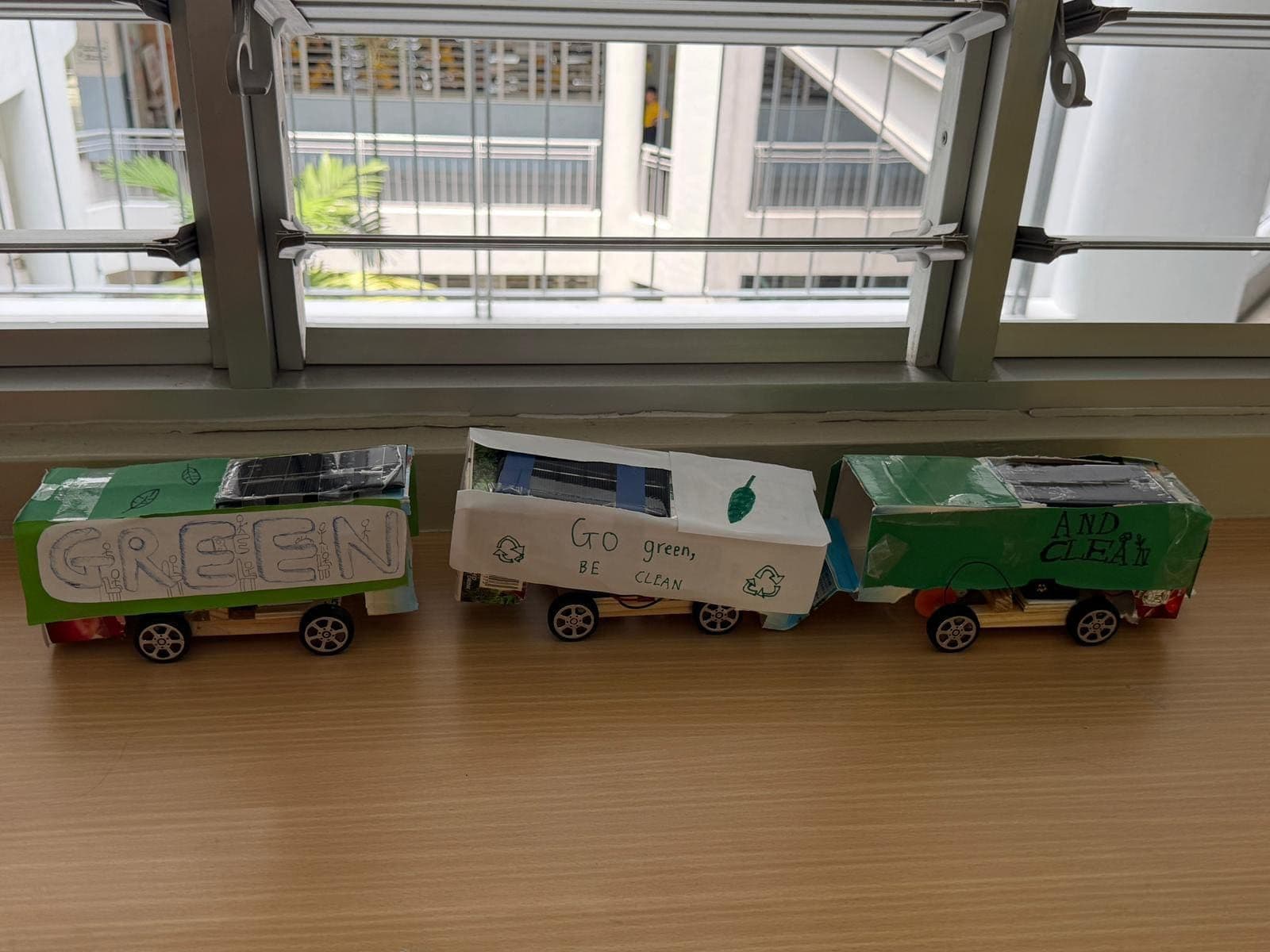
Your child comes home talking about building a solar-powered bus, and somewhere in the school newsletter is the phrase “Applied Learning Programme”. Here is what that actually means.
The short version
An Applied Learning Programme (ALP) is a school-designed programme that connects academic subjects to the real world. MOE describes the intent as helping students appreciate the relevance and value of what they are learning — the emphasis is on applying knowledge in authentic settings rather than acquiring more of it.
Two things follow from that, and both matter to parents. ALP is non-examinable. There is no grade, no PSLE weighting, nothing that appears on a report card as a mark. And every school’s ALP is different, because each school chooses its own theme — sustainability, robotics, health sciences, design, food security — usually one that fits its identity and its teachers’ strengths.
What it looks like in a classroom
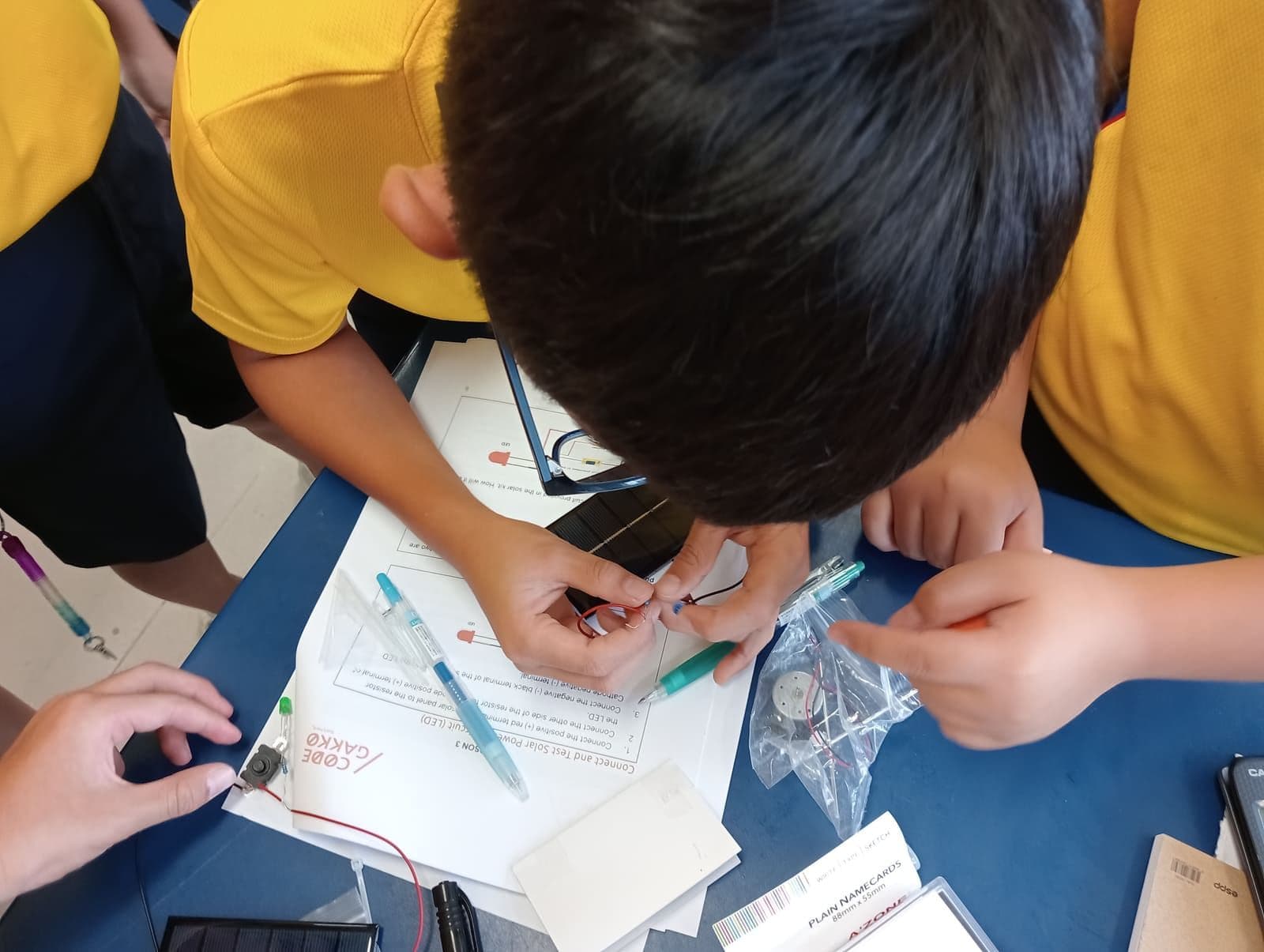
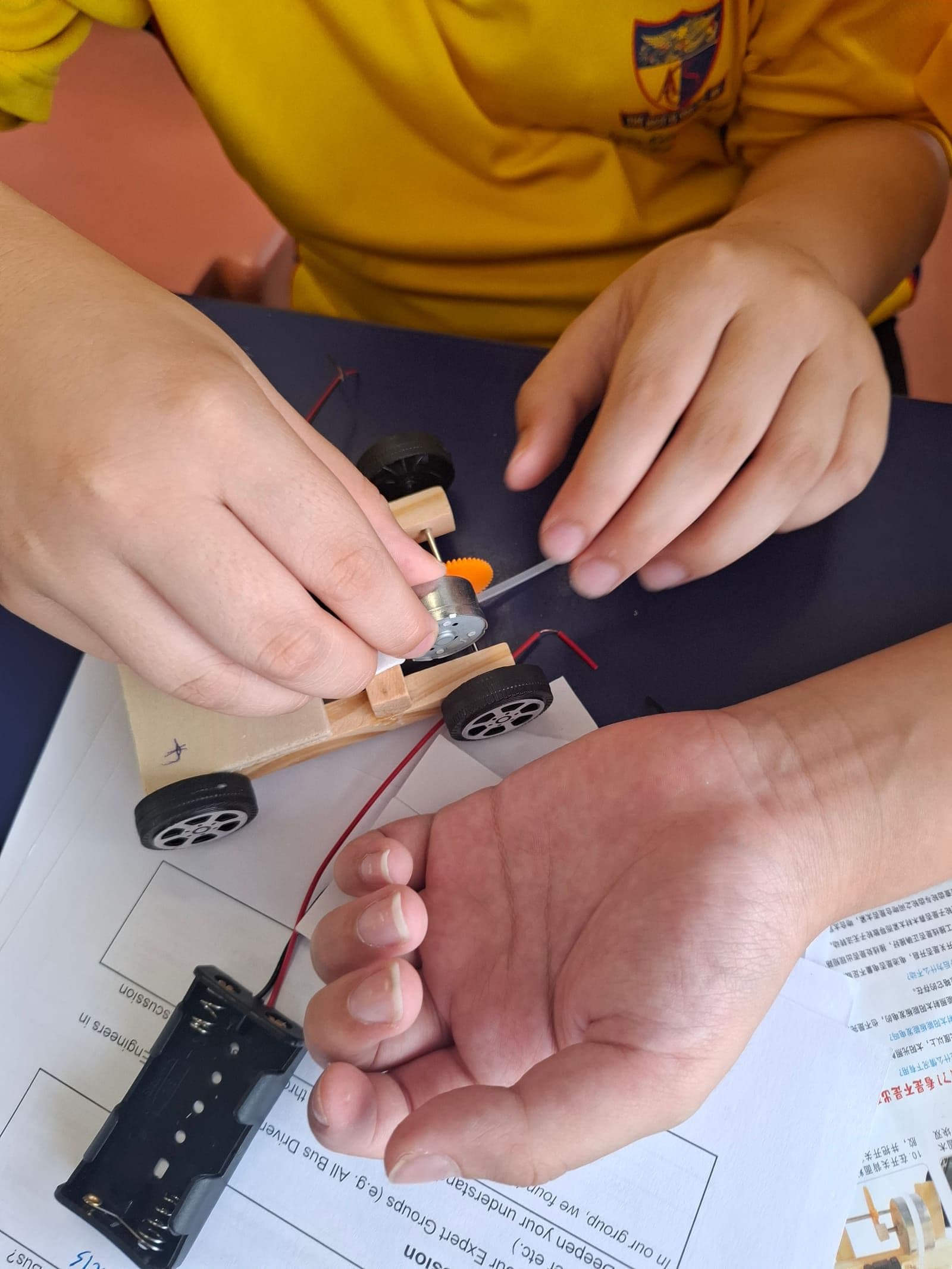
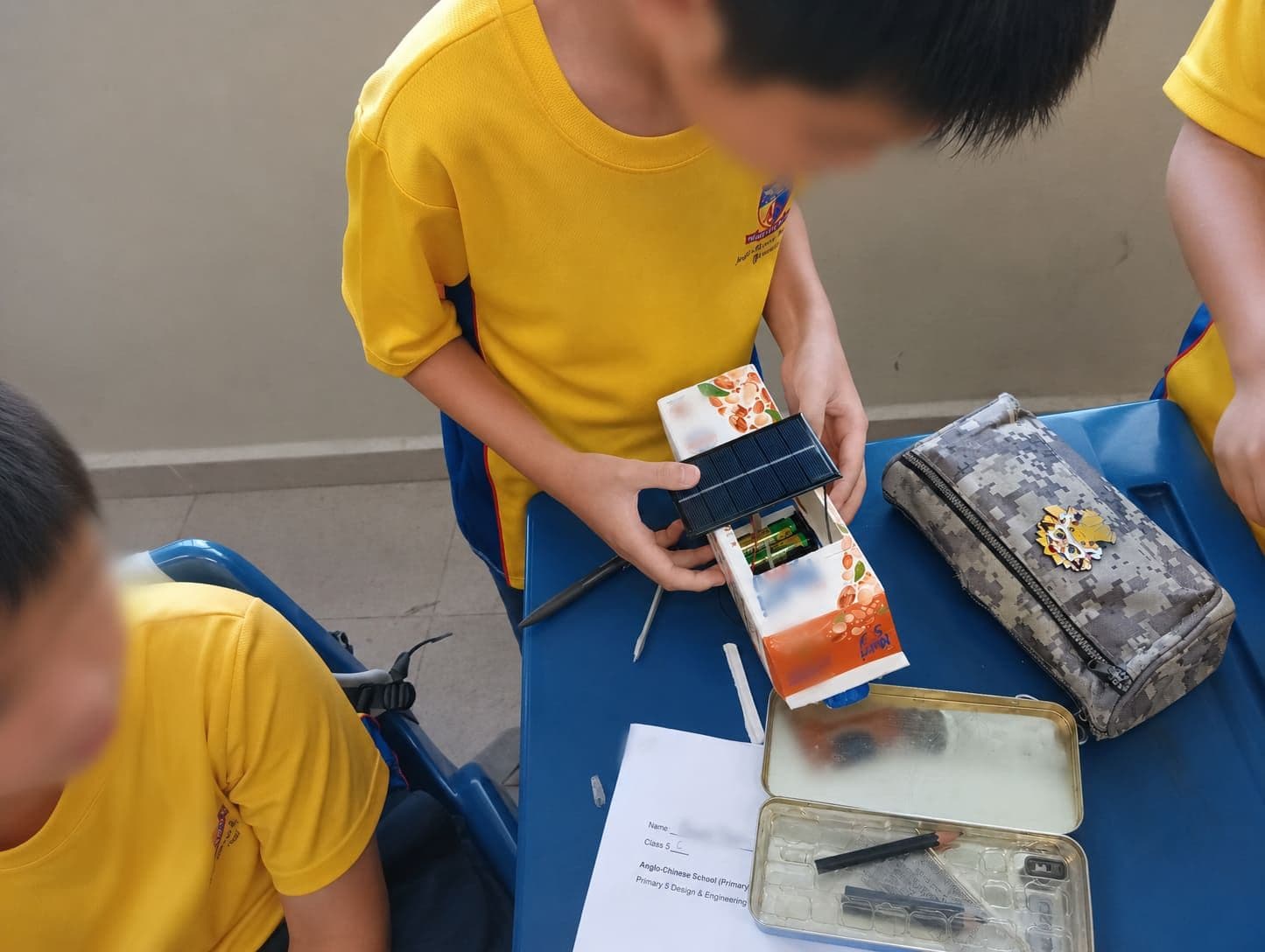
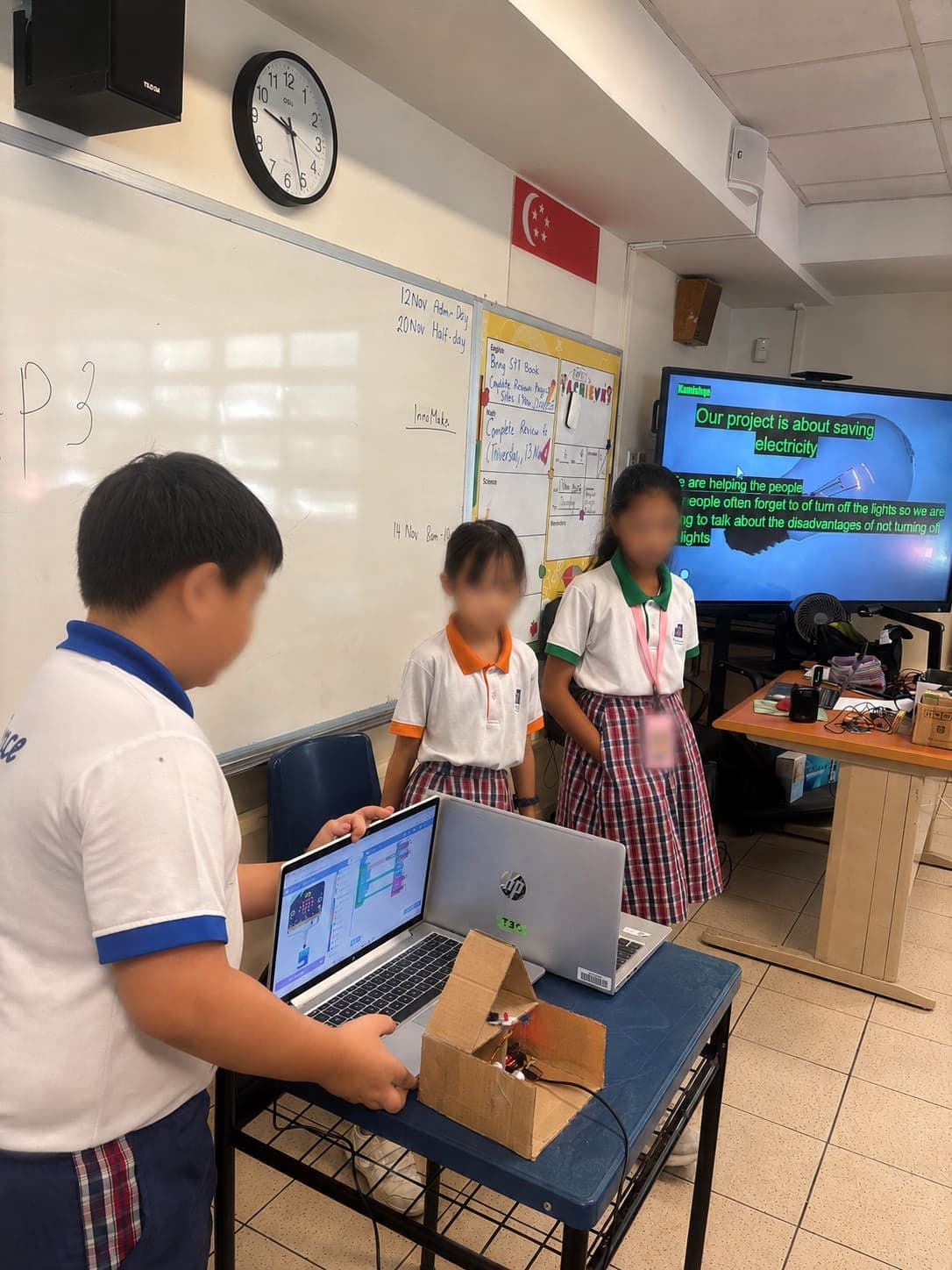
A good ALP is a problem, not a syllabus. Students are given something real and unresolved — how might we reduce the water this school wastes? — and then work through it: understanding who is affected, defining what is actually wrong, generating ideas, building a rough version, testing it, and improving it.
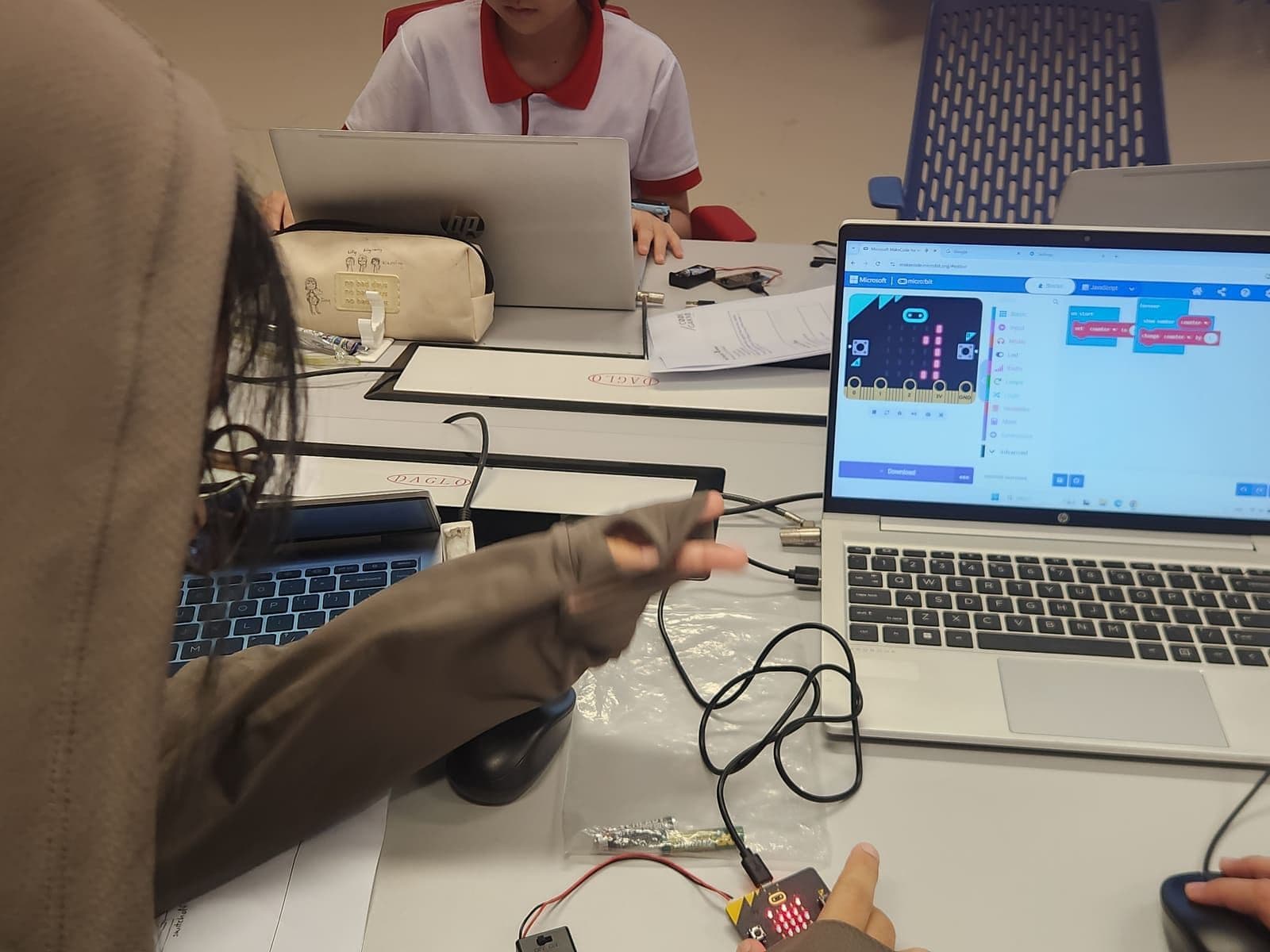
The technology is a means, not the point. A Primary 4 class might use a micro:bit and a moisture sensor; a Secondary 2 class might use an app builder or an AI tool. The transferable part is the loop — define, build, test, revise — which is the same loop engineers, designers and researchers use, and which survives long after the specific tool is obsolete. (If you are weighing up tools for home, we compare the common ones in Scratch, micro:bit or LEGO robotics.)
What is changing in 2026
Historically, schools ran both an Applied Learning Programme and a Learning for Life Programme (LLP), the latter focused on character and community. From 2026, MOE has given schools the option to offer either an ALP or an LLP rather than both, as part of a broader effort to reduce load on teachers and let schools go deeper on fewer things.
For families, the practical effect is simple: some schools will consolidate. If your child’s school drops one, it is a scoping decision, not a signal that the school is doing less for students. Ask what the remaining programme is going deeper on.
How to tell a good one from a busy one
After ten years of running these inside schools, the difference we notice is almost never the equipment budget. It is whether students got to be wrong.
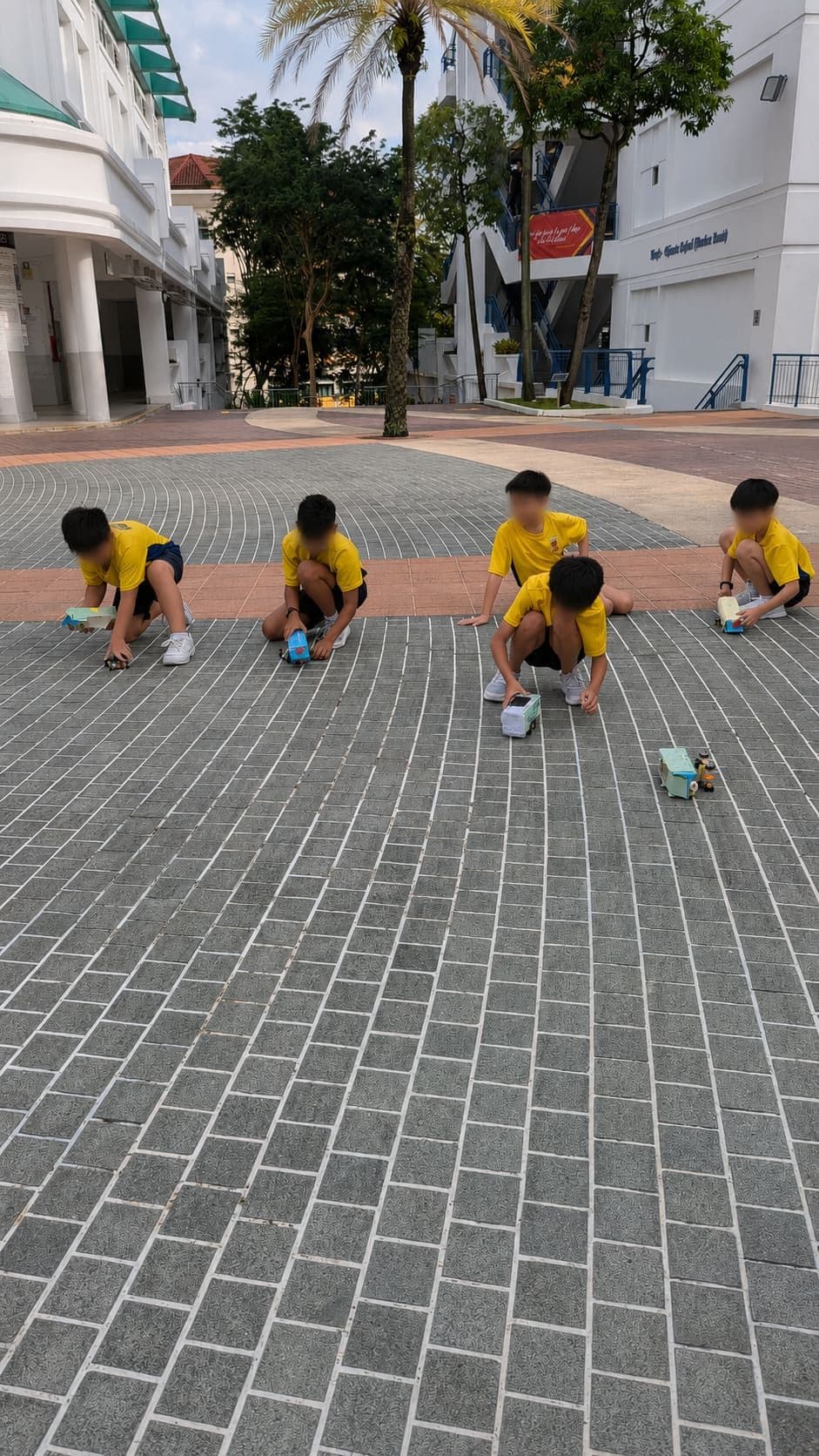
A programme where every group’s build works on the first try was probably a craft activity with instructions. A programme where three groups’ buses would not climb the ramp, and those groups had to work out why — weight, friction, gear connection — is one where the learning actually happened. If you want one question to ask your child, it is not what did you make? It is what did not work, and what did you do about it?
What parents can do — and what they need not
You do not need to know the technology. Students explaining a build to a genuinely puzzled adult is not a gap in your knowledge, it is the most valuable part of the exercise; explaining something is how you find out whether you understood it.
You also do not need to buy anything. An ALP is a school programme, delivered in school hours, at no cost to families. If your child comes out of one wanting to keep building at home, that is a lovely outcome — but it is an option, not a requirement, and a library book and a cardboard box are a perfectly good next step.
If the interest turns out to be real and you want more structure than a cardboard box, that is the gap Code Gakko Makers was built for: the same Design Thinking approach we run in schools, at home, with guided builds and a portfolio your child keeps. Worth saying plainly, though — wait and see whether the interest lasts a month. It costs nothing to wait, and a child who is still talking about it in four weeks is a much better sign than one who is excited on the day.
Common questions
+Is the Applied Learning Programme graded or examinable?
No. ALP is non-examinable. It is not assessed for PSLE or O-Level and does not carry a grade, though schools often share a wrap-up report or certificate at the end of a programme.
+Does every Singapore school have an ALP?
Not necessarily. Schools have offered ALPs since 2014, and from 2026 MOE allows schools to offer either an Applied Learning Programme or a Learning for Life Programme rather than both. Your child’s school website or newsletter will say which it runs.
+Who teaches an ALP?
Usually the school’s own teachers, sometimes with an external provider brought in for specialist content or equipment. Either way the school owns the programme design and the learning objectives.
+What is the difference between an ALP and a CCA?
An ALP typically runs during curriculum time for a whole cohort, so every student in the year group takes part. A CCA is opt-in, runs outside curriculum time, and usually goes deeper over a longer period with a smaller group.
Written by the Code Gakko team. Where this guide describes MOE policy or a competition, please treat the organisation’s own site as the authority — details change from year to year.