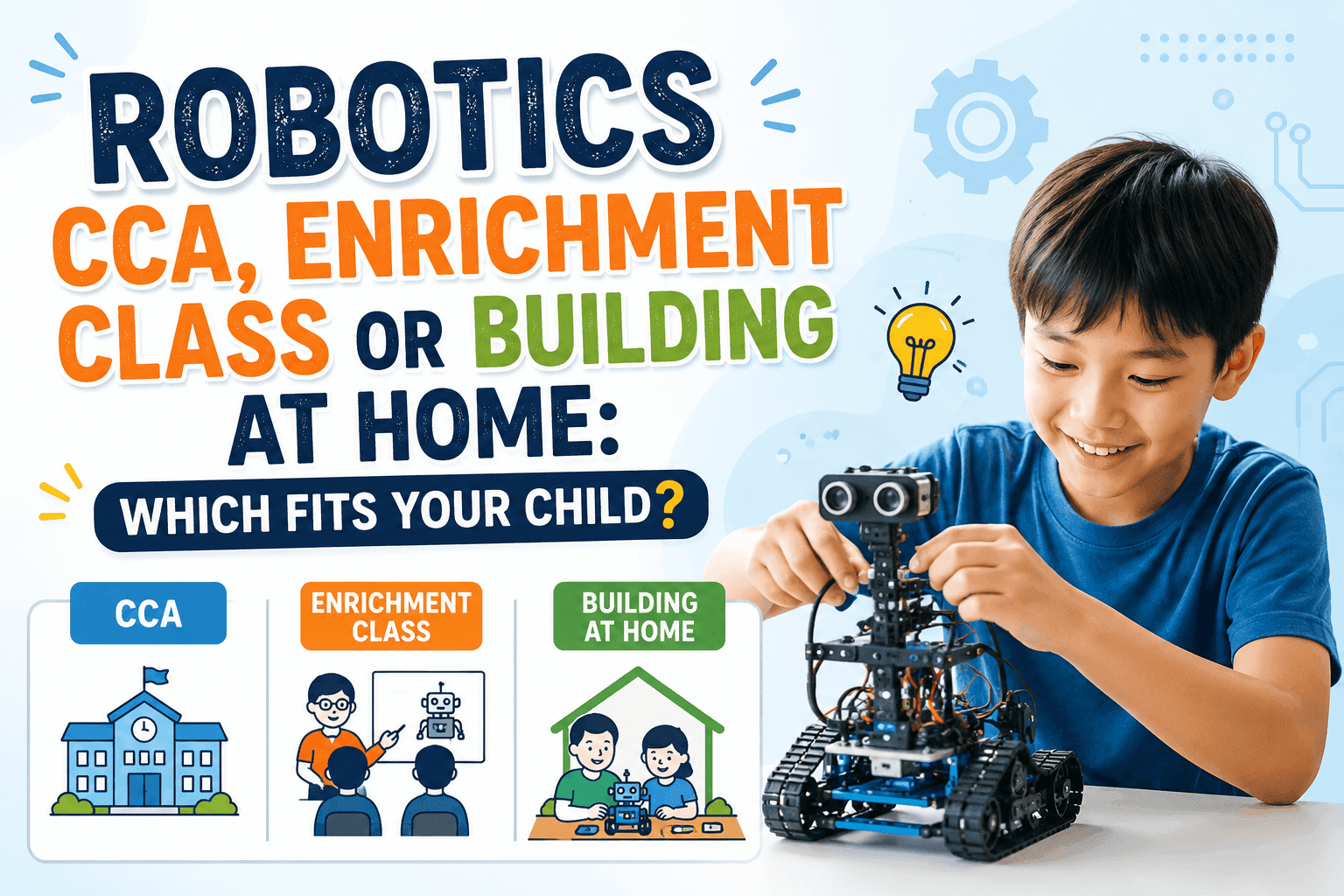
Robotics CCA, enrichment class or building at home: which fits your child?
Three routes lead to roughly the same skills, and they are not interchangeable. We run two of the three, so treat this as informed rather than neutral — but the trade-offs below are the ones we would tell a friend.
The school CCA
Weekly, term-long, in school, with the same group of students all year. Usually free or heavily subsidised, and the equipment belongs to the school.
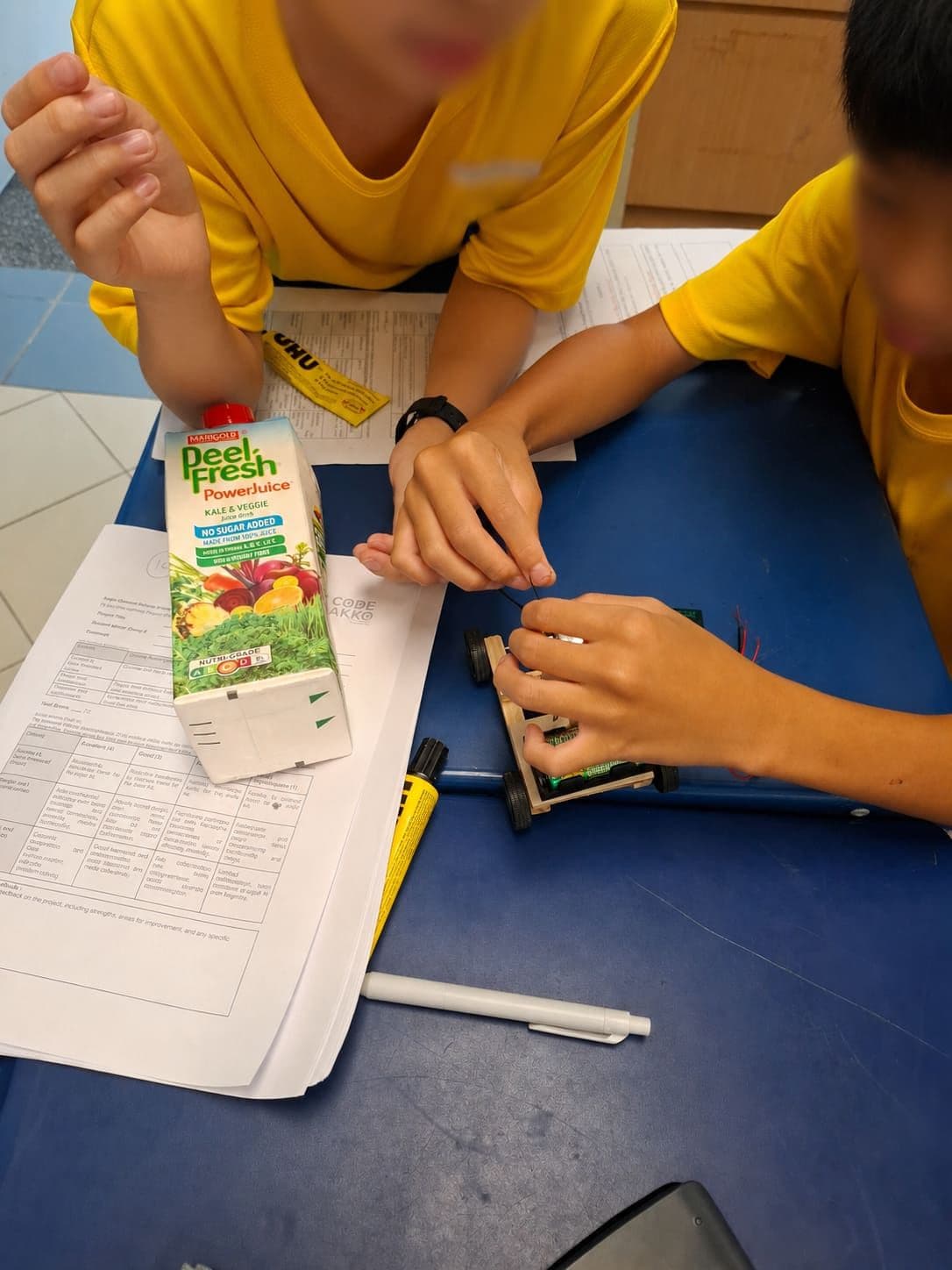
What it is genuinely better at: time and teams. A year of weekly sessions with the same peers produces something a ten-week course cannot — students learn to work with people they did not choose, hand over a half-finished build, and pick up someone else’s messy code. That is most of what engineering actually is.
The limits are structural. Class sizes are what they are, the pace is set for the group, and if your child is well ahead or well behind, a CCA has limited room to adjust. Places can also be allocated rather than chosen.
The external enrichment class
Paid, smaller groups, usually weekends or holidays, at a centre. Costs typically run from a few hundred dollars a term upward.
What it is better at: pace and progression. Small groups mean a student who is racing ahead can be given something harder, and one who is stuck gets attention. Centres also tend to have the newer kit, because it is their core business.
What to check before signing up: how many students per instructor, what a student makes in the final week, and whether the centre will tell you honestly if your child is not enjoying it. Ask to see finished work from the class — not from the brochure.
Building at home
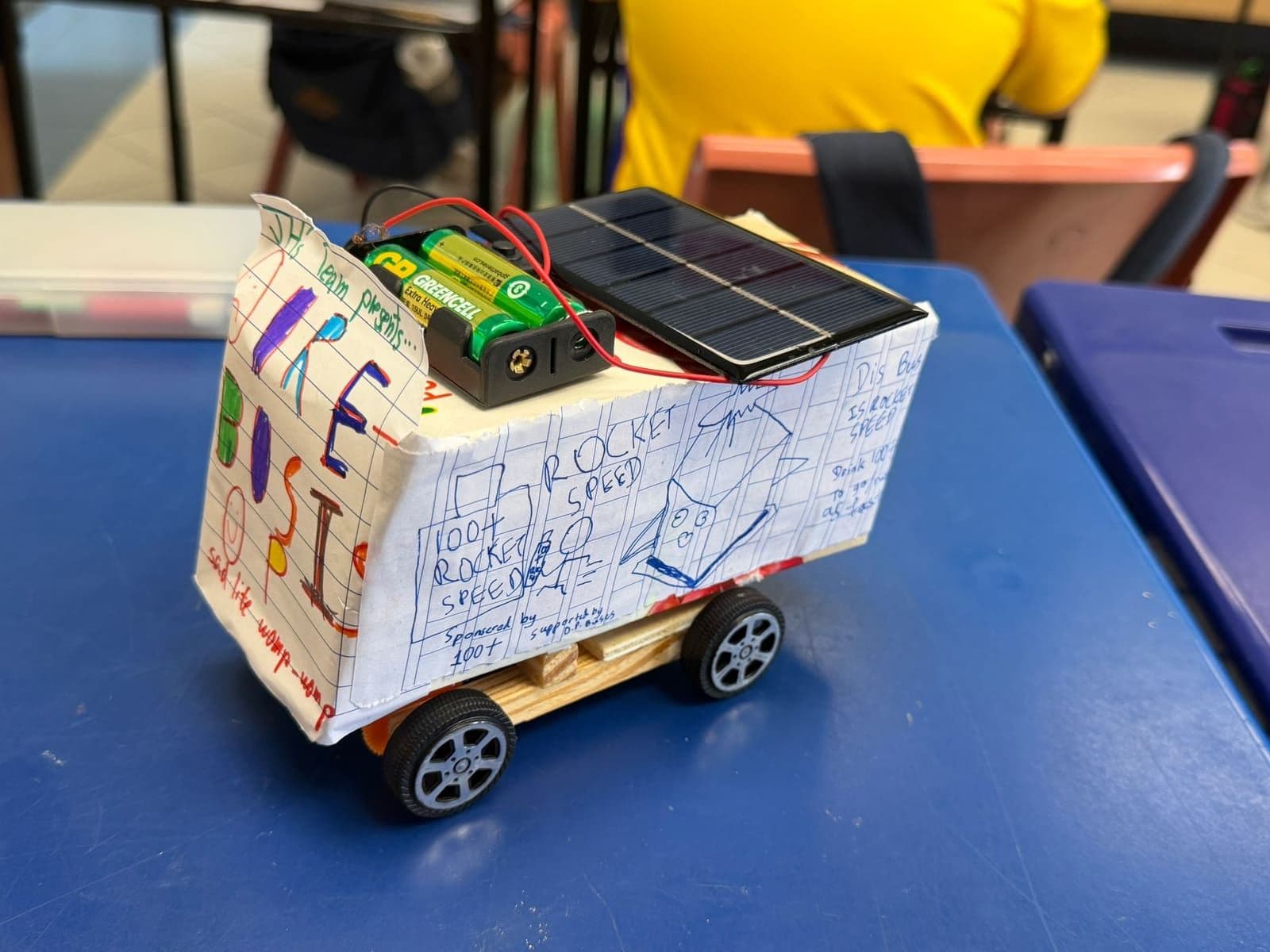
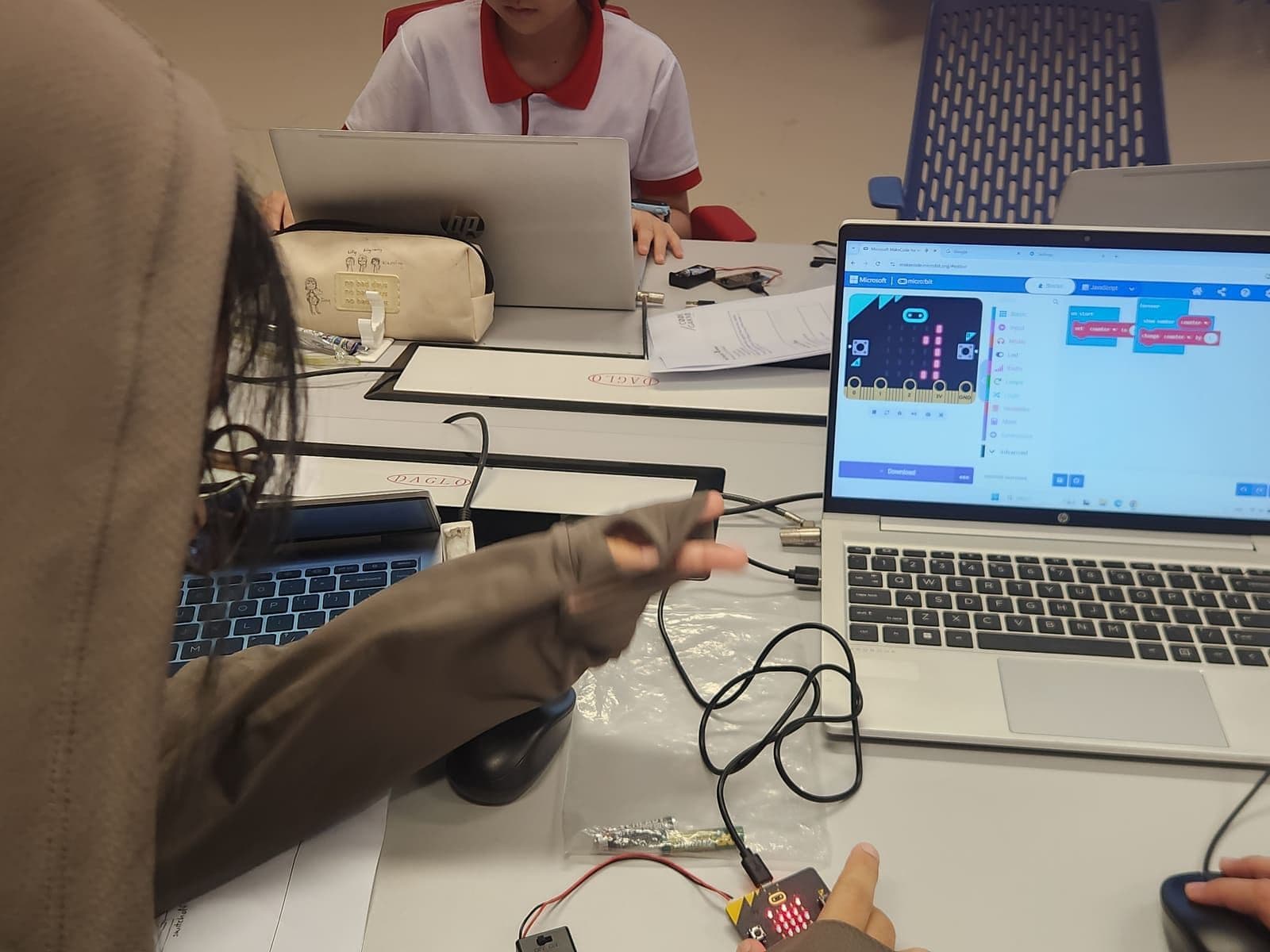
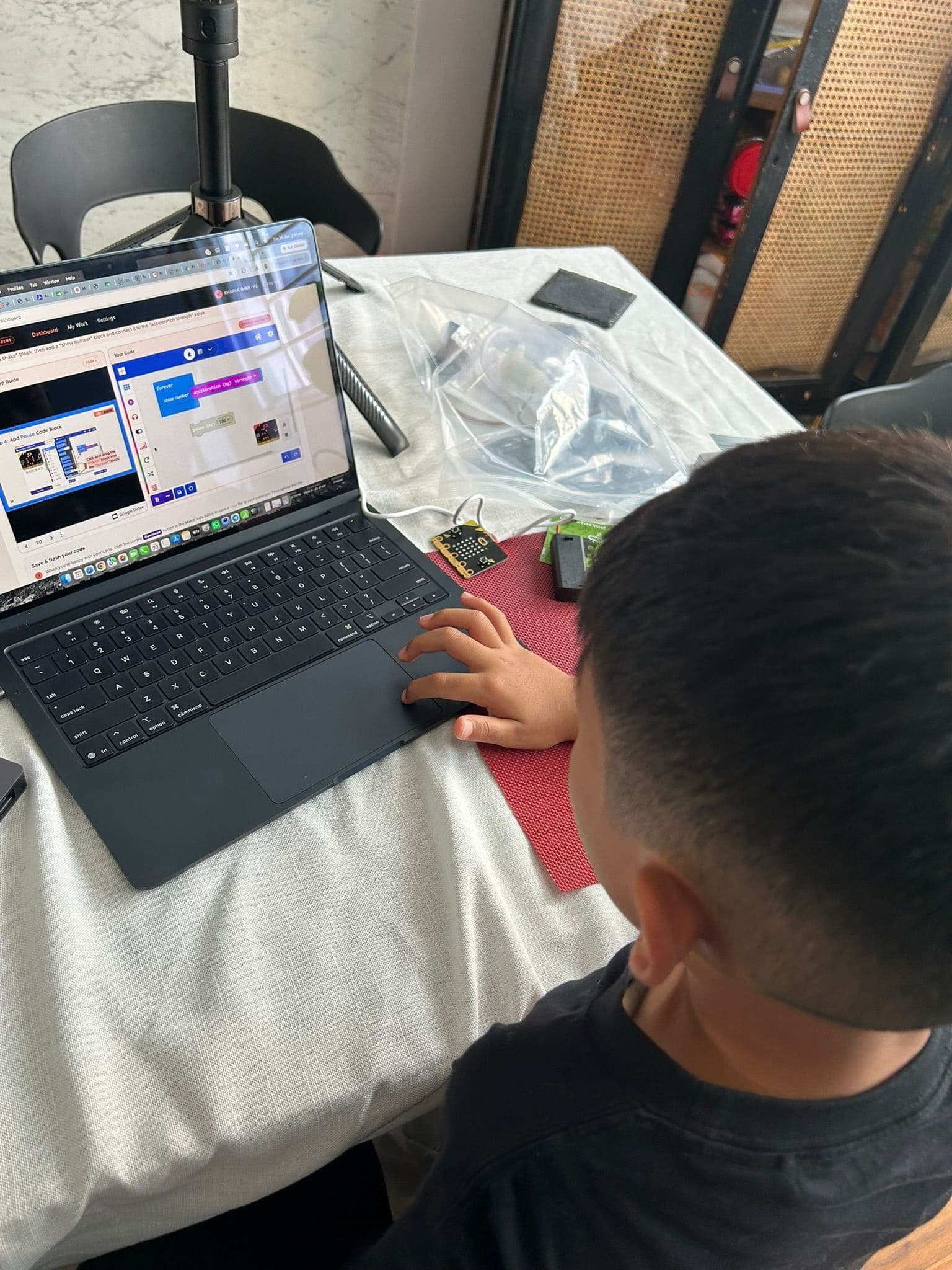
Cheapest by a distance, and the most flexible: a micro:bit starter kit and free software cost less than a term of most classes, and the schedule is whatever your family can manage.
What it is better at: ownership. A child working on their own idea at their own pace, on a Saturday morning because they want to, tends to go deeper than the same child in a scheduled slot.
What it costs instead is structure. Without a lesson path, most home projects stop at whatever the first tutorial covered, and without a deadline plenty stop before finishing at all. This is the gap a guided programme fills — a sequence to follow, prompts when the ideas run dry, and someone to ask when a build genuinely will not work.
How we would actually choose
If the school offers a robotics CCA and your child wants a place, take it. It is the best value in the system and the team element is hard to replicate.
If there is no CCA, or your child wants to go further than one, then it is a straight question of what you are short of. Short of structure and expertise but rich in weekend time? An enrichment class. Short of weekend time and budget, but with a child who self-starts? A guided home programme. Short of certainty about whether they even like this? A micro:bit and one free tutorial, before anything else.
And a genuine warning about stacking all three: a child doing a CCA, a weekend class and a home programme at once is doing robotics for five hours a week, and we have watched that turn a keen nine-year-old off building entirely. One good format, with time left over to be bored, beats three.
Common questions
+Is a school robotics CCA enough on its own?
For most students, yes. A weekly year-long CCA covers construction, programming, sensors and teamwork, and it is where the great majority of Singapore competition teams come from. Additional classes make sense when a student has outgrown the pace, not by default.
+How much does robotics enrichment cost in Singapore?
External classes commonly run from a few hundred dollars a term upward depending on group size, platform and duration. A school CCA is usually free or heavily subsidised, and a home micro:bit starter kit is a one-off cost lower than most single terms.
+My child’s school has no robotics CCA. What now?
A micro:bit and free MakeCode software is the lowest-risk starting point — it costs little and tells you quickly whether the interest is real. A guided home programme or an enrichment class both work from there, depending on whether you are short of structure or short of time.
Written by the Code Gakko team. Where this guide describes MOE policy or a competition, please treat the organisation’s own site as the authority — details change from year to year.